
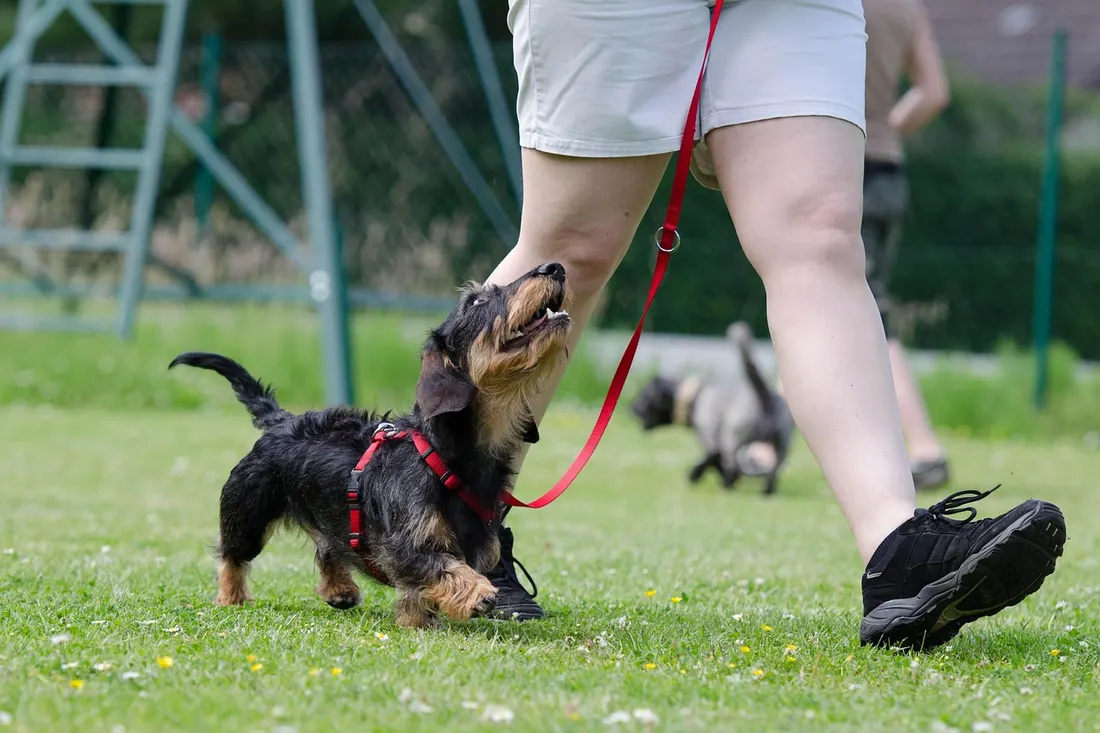
Three principles before any training
- Teach by rewarding success - scolding teaches almost nothing; rewarding the right moment does Find training treats
- One set of rules for the whole household - pick one word per command and stick to it
- Short sessions, many times - five minutes several times a day beats one long session
Everything below applies to adult dogs and re-training too. For age-specific guidance on puppies, see Puppy Care Basics.
Toilet training: procedure and troubleshooting
The method is the same for puppies and adults: engineer the environment so failure is unlikely, then stack up successes.
- Fix the toilet location - in or near the pen, somewhere quiet, tray plus pet sheets Find toilet trays
- Watch the timing - right after waking, after meals, after play, or when the dog sniffs the floor in circles: guide to the tray
- Praise on the spot - immediately after the deed, or the message is lost
- Clean up misses silently - scolding teaches dogs to hide their toileting. Remove every trace of smell or the spot becomes a habit Find odour removers
Re-training an adult dog
Adults hold longer but have firmer habits. Shrink the world temporarily - back to the pen - and rebuild a success record. If accidents appear suddenly in a trained dog, rule out cystitis and other illness first.
Play biting
- Always provide a legal chewing target - the urge itself cannot be removed Find chew toys
- Teeth on skin ends the game - a low "ouch", turn away, ignore for half a minute
- Never play with bare hands - one family member doing it undoes everyone's work
- No shouting, no muzzle-grabbing - both backfire into excitement or fear
Recall ("come")
Recall is the command that saves lives - during disasters or when a collar slips.
- Start indoors at short range: call, reward on arrival. Being called must predict good things
- Extend distance, then rooms, then quiet outdoor spots on a long line Find long lines
- Never call the dog to scold it or to do something unpleasant - recall must always end well
Other basic commands worth teaching
| Command | When it helps | Key teaching point |
|---|---|---|
| Sit | The universal brake on excitement | Lure the nose up and back; praise the instant the rear drops |
| Stay | Prevents door-dashing and scavenging | Sit, show your palm, reward one second of stillness, extend gradually |
| Crate ("house") | Visitors, disasters, vet trips | Toss treats inside; reward voluntary entries Find crates |
Related pages
PR — This page contains promotional content
Frequently asked questions
Is it too late to toilet train an adult dog?
No. The procedure is identical; shrink the space, rebuild successes, and adult dogs relearn. If accidents appear suddenly, see a vet first to rule out illness.
My trained dog suddenly has accidents. Why?
Check illness first (cystitis is common), then environmental changes: tray location, sheet brand, new family members. Training regression is rarer than owners assume.
How long does play biting last?
It usually settles by around seven months, when adult teeth are in. If it persists, check whether anyone still plays with bare hands, and whether the dog gets enough exercise.
Should I go to puppy classes?
Not mandatory, but valuable both as owner training and as socialisation. If barking or lead-pulling starts to worry you, get help before habits harden.
Why is punishment-based training discouraged?
Because its side effects - fear and aggression - outweigh its apparent effect. Modern veterinary behaviour science favours reinforcing the behaviour you want.